For a long time, being busy felt normal.
Like many people in senior roles, I got used to being permanently switched on. There was always something to respond to, something to solve, something coming next. Even in the quieter moments, part of me was still on call.
When I started Art Haus, I thought I was beginning something new creatively. What I didn’t fully realise at the time was that I was also entering a period of decompression.
A couple of months in, something shifted.
I realised I didn’t have to be permanently available anymore. I didn’t have to fill every gap, anticipate every question, or stay half in work mode all the time. I could slow down. I could take my time. I could enjoy the experience of making something without feeling that it had to be rushed, justified, or immediately turned into an outcome.
That was a bigger realisation than I expected.
Painting became more than a creative outlet. It became a form of pause.
Not escape, exactly. More a different way of being. A way of stepping out of the noise and back into something quieter, more instinctive, more human. In the studio, time works differently. You notice things. Light. Atmosphere. Subtle shifts in colour and mood. You stop trying to control every second and start paying attention instead.
That feeling has become central to why I paint.
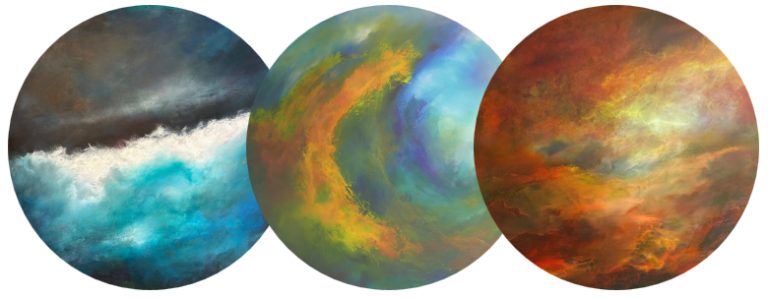
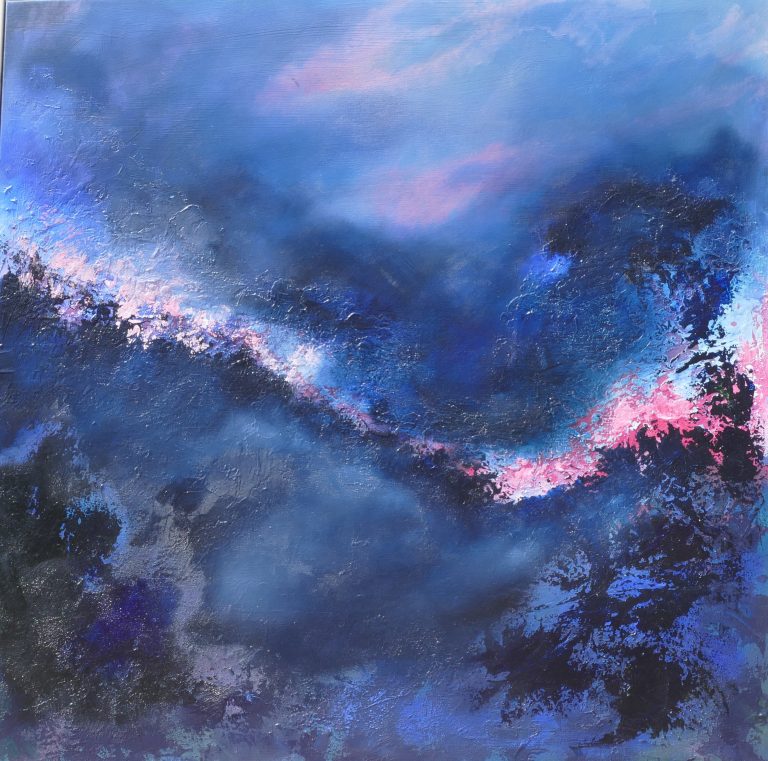
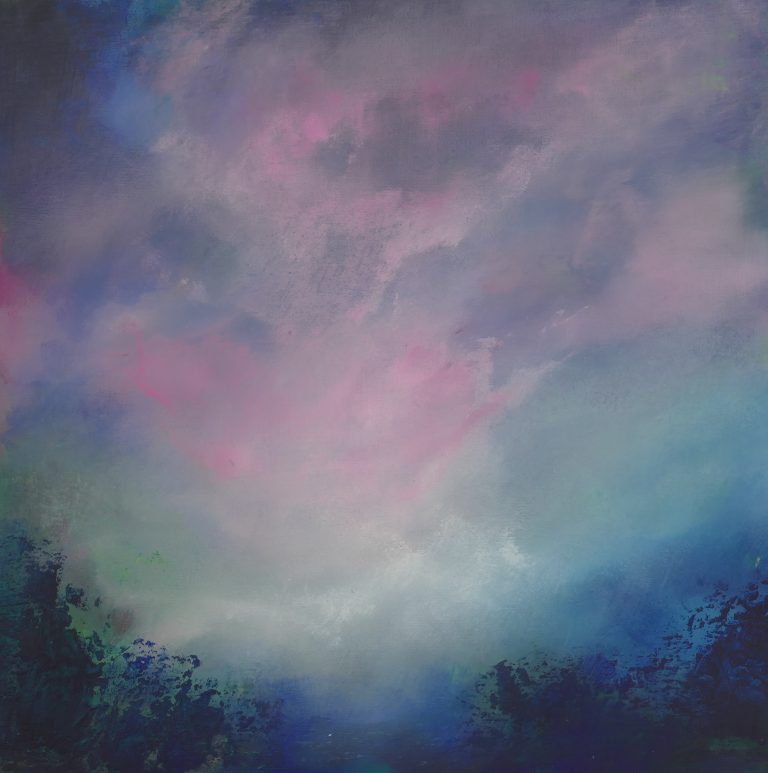
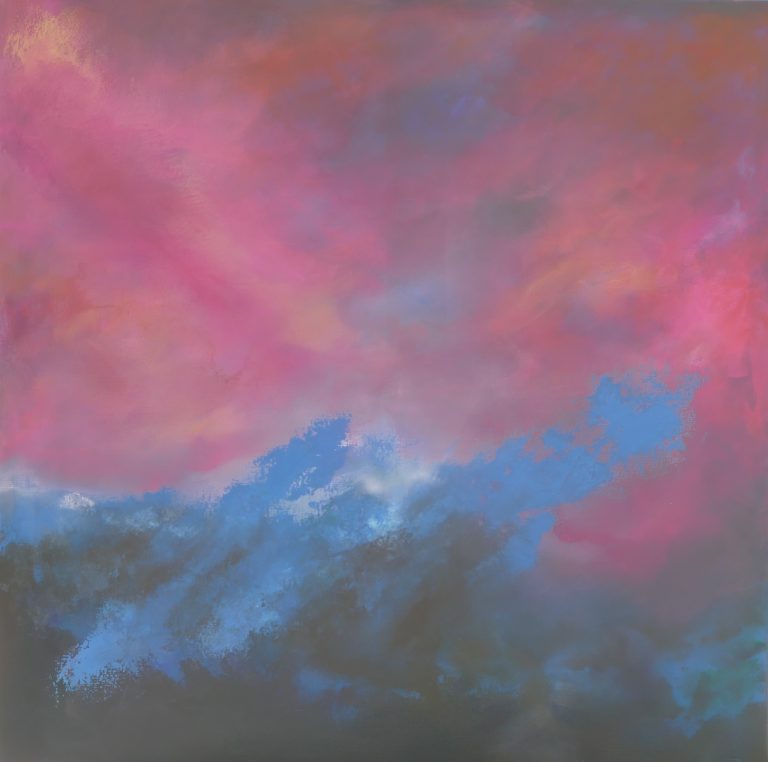
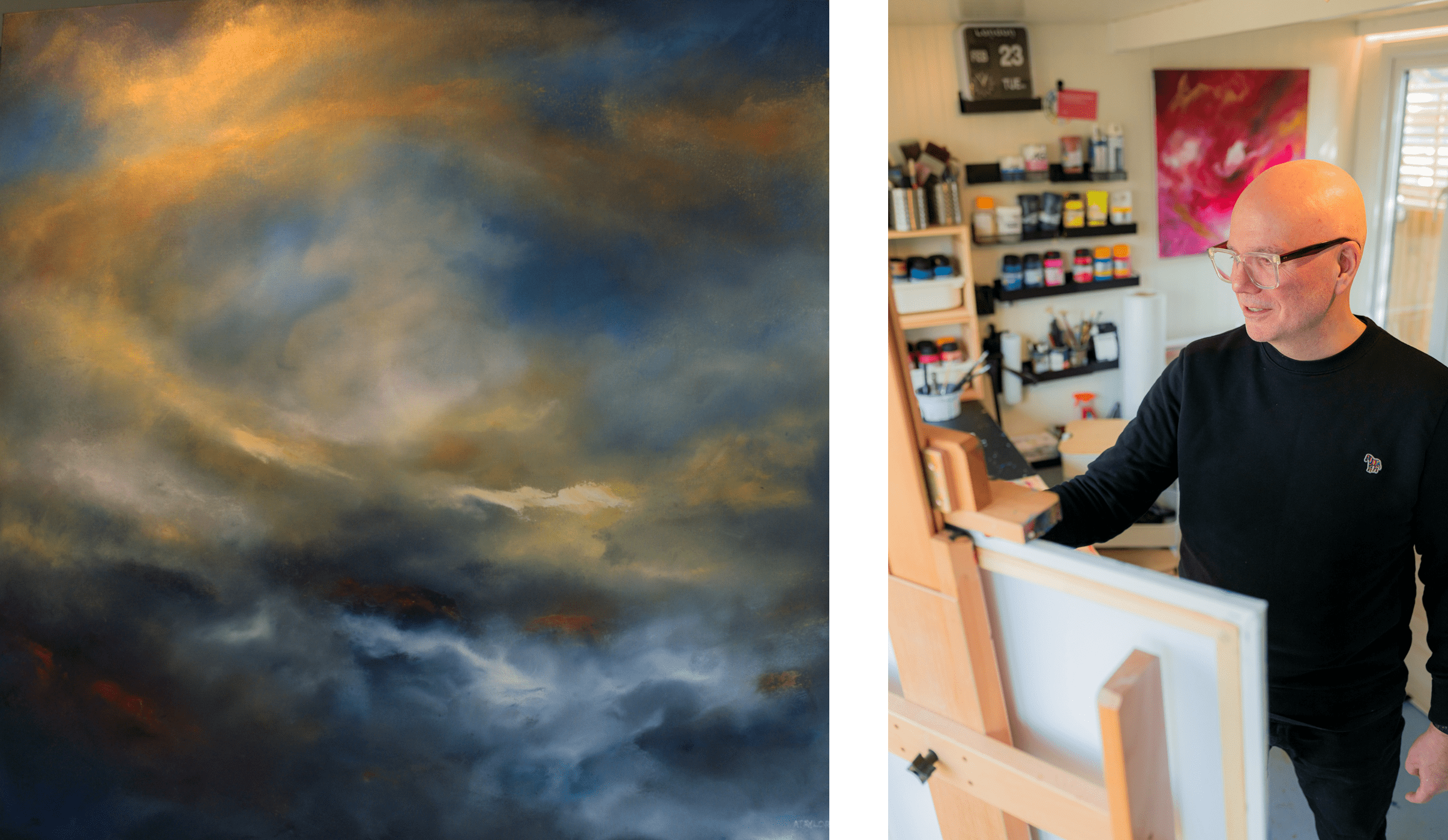
My work is rarely about describing a specific place in a literal way. It is more about atmosphere, memory, and the emotional pull of light. I’m interested in those moments where something seems to open up — not fully explained, not pinned down, but felt. A break in weather. A shift in sky. A sense of movement giving way to stillness.
That is there in paintings like Golden Ascent and Where the Light Breaks. They are very different in mood, but both come from that same place: a search for light, for space, for something that feels quietly transformative.
Over time, I’ve come to think that art can offer something increasingly rare: a chance to pause.
Not in a grand or dramatic way. Just a moment of stillness in the middle of everything else. A painting can change the feel of a room, not only because of how it looks, but because of what it brings into the space. Calm. Reflection. Breathing room. A sense that not everything has to compete for attention.
I think that matters.
We live with so much noise now, professionally and personally. So much speed, so much demand, so much pressure to keep moving. I’m drawn more and more to making work that offers a different experience. Something atmospheric. Something open. Something that invites you to stop for a moment rather than hurry on to the next thing.
That is what painting has given me, and it is what I hope the work gives back.
A pause.
A shift in mood.
A little more space to feel something.
That, for me, is part of the point.